Beyond the Diagnostic Alphabet Soup: Discovering Complex Trauma / Developmental Trauma
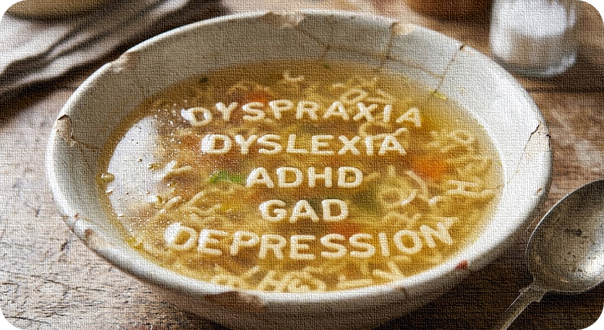
For years, my medical record read like a expanding list of acronyms. Starting with Dyslexia and Dyspraxia in early childhood, my collection grew to include Recurrent Depressive Disorder, ADHD, and eventually GAD, by the time I reached my mid-30s. Each diagnosis offered a piece of a puzzle, but none of them seemed to capture the complete picture of what was happening inside me.
The turning point came when I stumbled across the concepts of Developmental Trauma Disorder (DTD) and Complex PTSD (CPTSD) on my own. Reading about complex trauma felt like an immediate eye-opener, it provided a framework that finally answered the core questions I had about my lifelong symptoms. But that initial relief was quickly tempered. When I brought CPTSD up to my own therapist and psychiatrist at the time, I was met with blank stares and a lack of familiarity with the framework.
In my personal experience, digging into the work of authors like Bessel van der Kolk, Nadine Burke Harris, and Gabor Maté offered a perspective that had been missing from my own treatment. For me, treating my depression, anxiety, or ADHD symptoms in isolation felt like addressing the smoke while ignoring the underlying fire. Whenever the root causes went unexamined, the symptoms eventually returned.
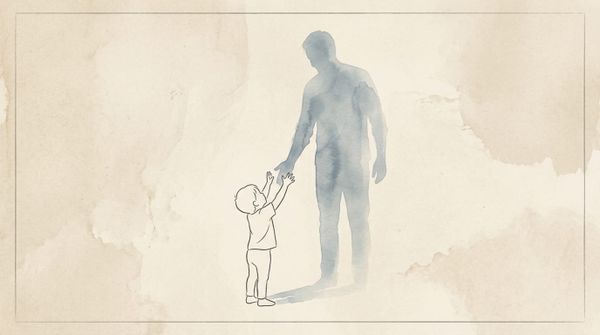
This became especially clear when reflecting on early, preverbal experiences. Without a conscious memory of where my deepest feelings of shame or fear originated, simply managing symptoms felt insufficient. What actually began to help me was experiencing a steady, emotionally regulated presence in therapeutic settings, having a reference point to compare against my own early relational patterns. Recognizing those differences allowed me, for the first time, to reflect on my upbringing with greater objectivity and self-compassion.
I don't claim to have universal answers, but sharing this part of my journey is about opening a dialogue. For anyone else navigating a long list of diagnoses without feeling fully understood, exploring a trauma-informed lens was the key that finally helped me make sense of my own story.
Have you ever felt like a growing list of separate diagnoses was trying to explain what you inwardly experience as a single, underlying struggle?