Pt. 1 of 3 / The Original Overstepping: How We Traded Unconditional Worth for a Lifetime of Survival Mode
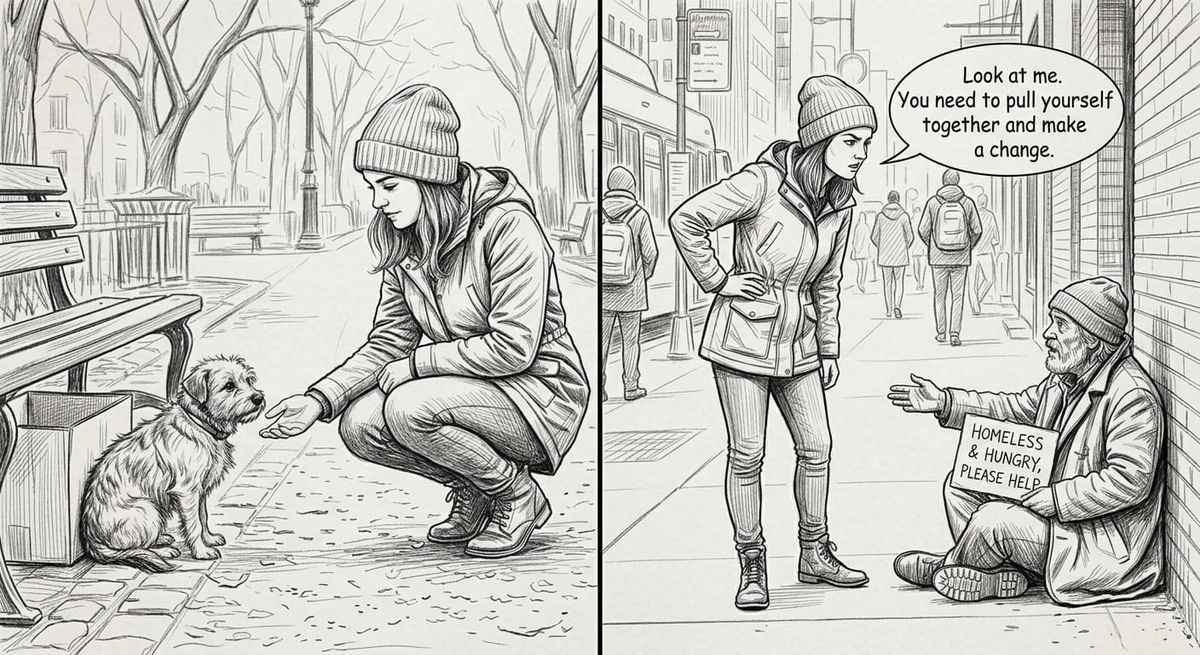
This is Part 1 of a 3-part series exploring how humanity lost its unconditional baseline, why we seek parents in our partners, and how to stop passing our survival pain to the next generation.
There is a war happening inside and between millions of people right now, and almost nobody really knows why.
It shows up as a sudden flash of anger when someone points out a mistake you made. It shows up as a hollow pit in your stomach when you don't meet an expectation. It shows up as crippling perfectionism, intrusive thoughts, defensive counter-attacks, and the constant, exhausting impulse to justify your past actions to anyone who might look at you wrong.
We tend to call this "anxiety" or "low self-esteem" or "stress." But if you trace the thread all the way back to its root, you find something much simpler and far more tragic:
We have built a world where a human being’s right to love, kindness, and acceptance is conditional. And we carry this error with us from the cradle all the way into adulthood.
The Glitch in Belonging
In a world of plenty, which we now live in, no human being, at five years old or at fifty, should ever have to earn their fundamental right to exist, to belong, and to be treated with dignity.
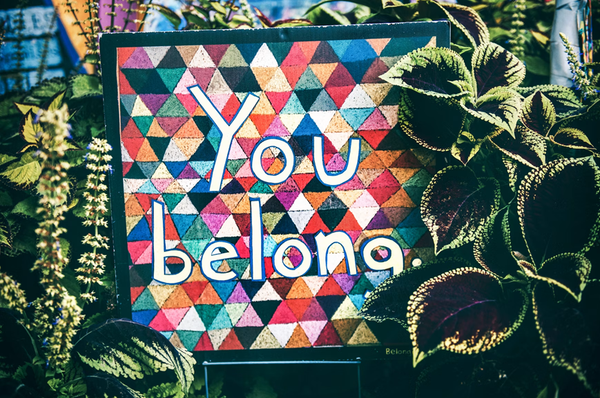
For almost all of human history, a person didn't have to earn their right to occupy space. In early human groups, survival was entirely shared. Nobody was "totally independent." You belonged because you were here, and your belonging was your safety net. Acceptance wasn't something you bought with performance, it was the baseline.
Somewhere along the line, accelerating sharply around the Enlightenment and the Industrial Revolution, a strange and unnatural narrative began to snowball.
We started viewing the universe, and eventually human beings, like clockwork machines. We replaced the truth of human interdependence with the myth of the "self-made, fully independent individual." We imported the cold mechanics of productivity into our homes and workplaces, teaching people that they are only as good as their utility, their output, and their ability to conform.
We forced children to earn their worth through compliance, and we forced adults to spend their entire lives proving that they are good enough and prove that they are always delivering on every one else's expectations, to deserve to be supported if they ever stumble.
Instead of going through life knowing that our inherent value as a person is untouched by our mistakes, we absorb a brutal message early on: You are only as good as your value to others. You are only as accepted as your latest success...or even worse, as the worst mistake you ever made.
We swapped unconditional love and safety for conditional evaluation. Once that unconditional baseline goes missing, the fundamental foundation to believe you are "good enough" vanishes with it.
Two Ways the Threat is Learned
This shift doesn't always happen through explicit cruelty or hostility. In fact, it often happens through deep, panicked love.
- Direct Conditionality: The love, warmth, or safety from a parent or community is explicitly withdrawn when a child makes a mistake or fails to comply. They learn directly: "If I step out of line, I lose my place in the warmth."
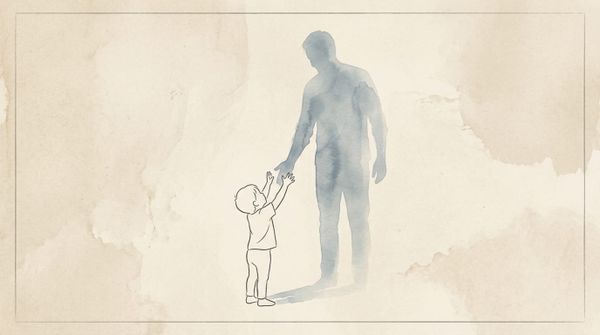
- The Panicked Guardian: A parent loves their child unconditionally, but carries an immense terror of how judgmental and unmerciful the outside world is. When the child makes a mistake or falls short, the parent panics inside. They try to correct the child's behavior to protect them from the world's harshness. But the child doesn't see the parent's protective fear, they only absorb the threat: "According to my parents nervouse system, being who I am, being me, is unsafe. My mistakes make me unworthy of acceptance in the world everyone says I have to be part of."
Either way, the damage is done.
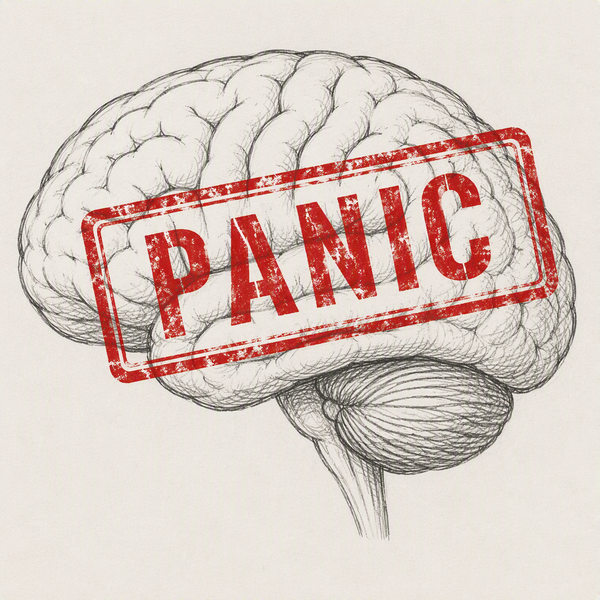
Because to an evolutionary human mind, acceptance equals survival. When acceptance becomes conditional, every mistake stops feeling like a simple opportunity to learn. It registers in our primitive nervous system as an existential threat, a sign that we are about to be cast out to die.
The Perfectionism Trap: You Can Only Meet Expectations, But Mistakes Threaten Your Existence
This is the exact birthplace of crippling perfectionism.
In a system built on conditional worth, the standard is perfection. But here is the trap: when perfection is the baseline, doing everything right doesn't earn you extra love or celebration, it simply meets expectations. It gets you back to zero.
Doing Everything Right -> Meets Expectations (Zero Baseline)
Making a Single Mistake -> Threatens Fundamental Worth & Belonging
Any mistake, any weakness, any moment of falling short feels like a lifelong threat to your acceptance as a human being. The nervous system absorbs the belief that everyone links your mistakes to your person forever, while none of the good things you ever do actually matter.
So we go through life in permanent survival mode. We walk around terrified that if someone spots a weakness in us, they will use it to devalue our very right to exist.
When we accidentally step on someone's toes, our defense system instantly fires up. We don't just see a minor conflict, we see an attack on our existence. We deflect, we blame, we get aggressive, or we freeze...and the other person, who is carrying the exact same fear, attacks back to protect themselves.
Two human beings who actually mean no harm end up at war, all because both are terrified that the other is about to devalue their humanity.
Where the Cycle Actually Breaks: Catching Our Own Devaluation Reflex
It is one thing to notice our own fear, to realize that our panic after a mistake is an old, outdated survival response. But if we actually want to reverse this idiotic, destructive way of interacting, the work goes deeper.
We have to catch ourselves in the act of devaluing others.
Watch what happens the next time someone criticizes what you said or did, or steps on your toes.
In a fraction of a second, your defense system fires up. An anger response surges: "I hate them. They are awful. They are out to get me. They hate me. They don't value me."
Look closely at what just happened in that moment:
First, your system implicitly accepted the lie that what you do is connected to your personal value. Second, to defend against that terrifying threat, your system instantly weaponized the exact same principle against the other person, reducing their entire humanity down to their action (criticism of what you did).
In that single second, you connected their actions to their worth as a human being, while completely forgetting that your own action didn't define yours.
This is the exact split-second where the war starts. Two people, both secretly terrified of being devalued, ending up devaluing each other just to feel safe.
Reversing this doesn't start when the world suddenly becomes kind and understanding. It starts in that quiet, uncomfortable pause when you feel the urge to reduce someone else to their worst moment or their harshest word...and you choose not to.
It starts when you can hold two truths at once: My words and actions don't define my human worth, their words and actions don't define theirs, and neither of us needs to be right to be safe.
Breaking the Link
We cannot fix this by continuing to grade people on their past mistakes. We don't fix it by taking pleasure in devaluing others when they fall short, or by pretending that humans are meant to be isolated, perfect units of productivity.
A person's value as a human being has to be untouchable. Actions are actions, they require boundaries, accountability, and learning, but a person's fundamental right to kindness, support, and acceptance stands above all of that.
The work for each of us starts internally. It means noticing when our survival mode activates after an error, and catching the reflex when we feel the urge to attack someone else for theirs. It means recognizing that the terrifying voice whispering "Everyone hates you now, you've ruined everything" is just an outdated, centuries-old cultural glitch playing through our nervous system.
You are not only as good as your worst mistake. You never were, at any age...and neither is the person standing in front of you. It’s time we stop believing the lie, and stop passing it down.